Navigating Home Appraisal: What to Expect and How to Be Ready
Comprehending home appraisals is crucial for all parties engaged in real estate transactions. These evaluations provide an impartial measure of a property's value, influencing decisions on buying, selling, or refinancing. Property owners and purchasers commonly seek answers regarding what to expect and how to get ready. Understanding the key factors that appraisers consider can significantly influence the outcome. As the process unfolds, various myths may surface that could influence expectations and strategies. What are these myths, and how can they be navigated?
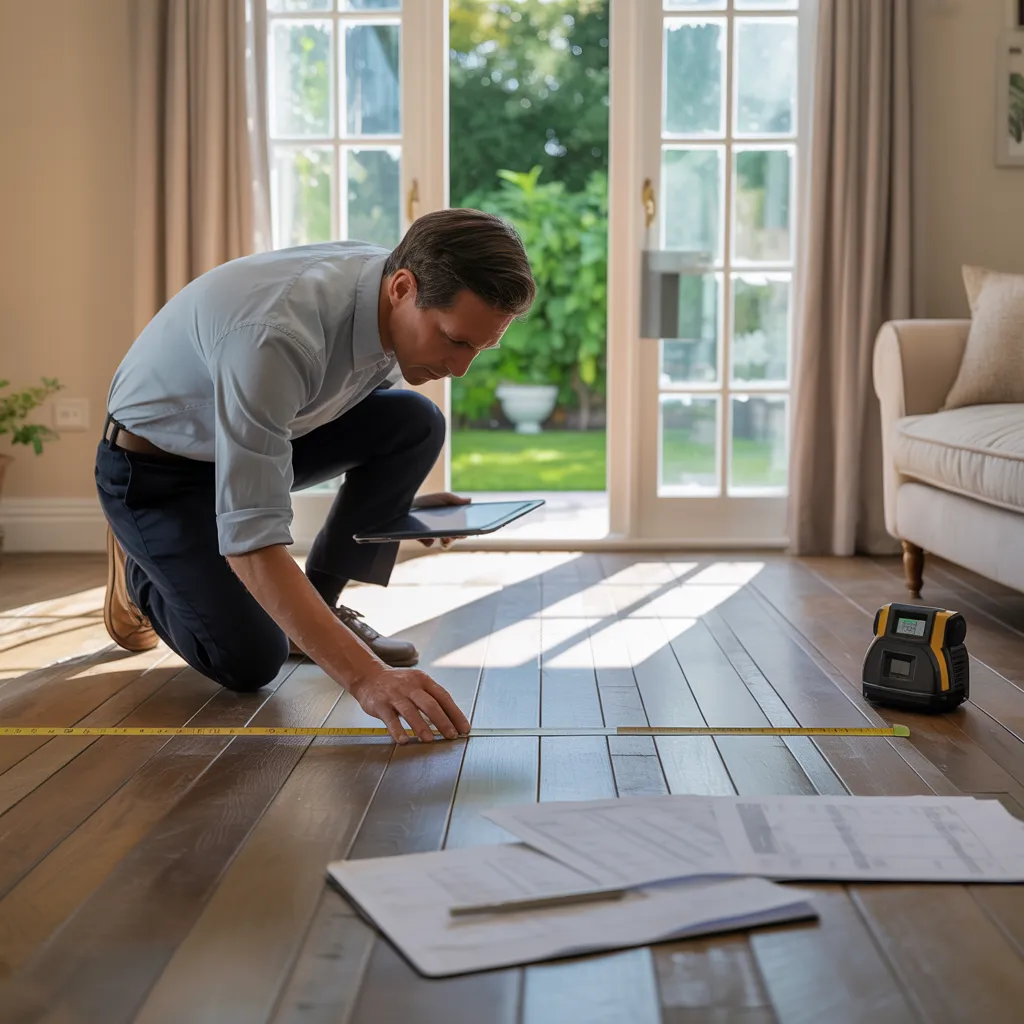
Comprehending Home Appraisals: Meaning and Significance
A residential appraisal acts as an important evaluation in the home buying and selling process, delivering an impartial valuation of a home's market worth. This evaluation is generally conducted by a certified appraiser who reviews the property, studies similar property sales, and examines the surrounding property market. The appraisal report serves a vital function in multiple property transactions, including buying, selling, and refinancing properties. It ensures that buyers, sellers, and lenders have a solid grasp of the property's true value, serving to eliminate overvaluation or inadequate lending. Moreover, appraisals can also impact tax evaluations and insurance requirements. By determining a realistic market price, appraisals promote a open and well-functioning housing market. At the end of the day, recognizing the value of property appraisals is vital for both homeowners and real estate investors, as it provides a basis for sound judgment in real estate transactions.
Key Elements Appraisers Evaluate in Home Appraisals
During home appraisals, multiple critical elements impact the final valuation. The geographical position of the property is of great importance, as it influences buyer interest and ease of access. Additionally, the condition of the home itself is assessed to gauge its total worth and uncover any required maintenance.
Property Location Importance
Property location serves as a critical determinant in home appraisals, affecting overall worth and buyer demand. Appraisers assess numerous elements of the area, including proximity to amenities such as schools, shopping centers, and parks. Area security, transportation availability, and regional employment options also contribute significantly in determining a property's worth. Additionally, the overall aesthetic appeal of the area, including landscaping and architecture, can affect buyer perception and demand. Appraisers often conduct a comparative analysis of similar homes in the vicinity, considering recent sales and current market trends. At the end of the day, the appeal of the location can considerably increase or decrease a property's market value, rendering it a crucial consideration in the appraisal process.
Property Condition Review
The condition of a home plays a major role in the home appraisal process, as it reflects the home's general quality and level of maintenance. Appraisers evaluate both the inside and outside aspects of the home, including plumbing, electrical systems, structural integrity, and roofing. They also evaluate the condition of fixtures and appliances, as well as any needed repairs. Landscaping and curb appeal play a role in determining general desirability. Additionally, the existence of any hazards, such as mold or pests, can negatively affect the property's appraisal value. The appraiser might also take into account the home's age, as older homes may need additional upkeep. Ultimately, a properly maintained home typically commands a greater appraisal value, while poor upkeep can substantially diminish it.
How to Prepare Your Home for an Appraisal
Achieving a successful home appraisal depends on careful preparation. Homeowners are encouraged to begin by removing clutter and deep cleaning the property, creating an inviting atmosphere that highlights its best features. Confirming that all repairs are completed—including repairing dripping faucets or filling cracks in walls—can have a substantial effect on how the appraiser evaluates the home's value.
Furthermore, attending to the exterior by tending to the lawn, pruning shrubs, and clearing walkways improves curb appeal. Home sellers should also gather key documents, including earlier appraisal documents, property tax records, and details regarding recent upgrades, to help inform the appraiser.
Ultimately, creating a comfortable environment is essential; property owners should verify that the home is easily accessible and that any pets are safely contained during the evaluation. By implementing these measures, homeowners can significantly boost their potential for obtaining a successful appraisal assessment.
Misconceptions About Home Appraisals You Shouldn't Believe
Many misconceptions surround the home appraisal process, often leading to uncertainty and unrealistic expectations. A prevalent misconception is that appraisers are swayed by the homeowner's opinions or emotions regarding property value. In reality, appraisers follow objective criteria and market data. An additional myth is that a higher sale price guarantees a higher appraisal. This assumption is incorrect, as appraisals are founded upon similar property sales and prevailing market trends, not the listing price. Moreover, some believe that home improvements always increase value; however, not all upgrades produce measurable value gains. To conclude, many assume that appraisals are solely for buyers, but they are just as valuable for sellers, lenders, and investors in establishing accurate property worth. Understanding these myths can enable homeowners navigate the appraisal experience with realistic expectations and a more informed perspective.
What Can You Expect During a Home Appraisal?
Throughout a home appraisal, the licensed appraiser fulfills a vital purpose in establishing the property's value. Multiple critical elements, including the home's overall condition and regional market conditions, are meticulously evaluated. The process commonly involves specific steps to secure an accurate assessment.
Understanding the Appraiser's Role
Home appraisers play a critical role in assessing a property's overall value, employing a structured approach to evaluate numerous aspects. Their process begins by inspecting the property, documenting its size, condition, and unique features. Appraisers evaluate the nearby area, factoring in local market trends and neighborhood attributes. They gather data from comparable properties to establish a benchmark for valuation. They also evaluate find out about this any improvements made to the home, ensuring that they accurately reflect in the overall value. Across the appraisal process, their aim is to deliver a fair and impartial evaluation. Upon finishing their evaluation, appraisers prepare a thorough written report, which functions as a key document for lenders, buyers, and sellers during real estate transactions.
Key Factors Evaluated
Although each appraisal may vary slightly, multiple important elements are regularly considered to determine a property's value. Initially, the appraiser reviews the property's geographical position, including nearby community features and closeness to essential services. Subsequently, the size and condition of the home are assessed, focusing on square footage, structural integrity, and any necessary repairs. The count of bedrooms and bathrooms also carries considerable weight. Furthermore, comparable sales in the area, or \"comps,\" are examined, offering insight into the property's market standing. Finally, the appraiser takes into account any distinctive features or improvements, such as home renovations or energy-saving systems, which may increase the home's desirability. Combined, these considerations enable a detailed appraisal, helping buyers, sellers, and lenders make informed decisions.
Typical Appraisal Process Steps
The appraisal process unfolds through a sequence of systematic steps that guarantee an accurate assessment of the property. At the outset, the appraiser compiles relevant information, such as the property's address and owner details. Next, a physical inspection is conducted, where the appraiser evaluates both the interior and exterior, recording condition, size, and notable features. Following this, the appraiser researches comparable properties, studying recent sales in the area to assess market value. Once all data is gathered, they employ suitable valuation methods, including the cost approach or sales comparison approach. Ultimately, a comprehensive report is produced, outlining findings and determining a final appraisal value. This structured approach secures a reliable and consistent property valuation.
Your Next Steps Following Your Home Appraisal Results
Getting the results of a home appraisal can stir up a mix of emotions, from reassurance to worry. When the findings are available, homeowners should first review the appraisal report carefully, paying attention to the appraiser's comments and conclusions. If the appraisal comes in at or above the anticipated value, they can confidently proceed with their plans, whether putting the home on the market or refinancing.
However, if the appraisal falls short, homeowners have a number of options. They can discuss the findings with their real estate agent or lender to consider potential courses of action, such as challenging the appraisal or submitting supplementary information to justify a higher value. It may also be advantageous to gather comparable sales data to strengthen their case.
At the end of the day, comprehending the impact of the appraisal findings is critical. Homeowners should remain proactive, whether moving forward with their plans or addressing any discrepancies that may impact their financial decisions.
Common Questions and Answers
How Long Does a Home Appraisal Typically Take?
A home appraisal typically takes between 30 minutes to two hours. Considerations such as property size, overall complexity, and geographic location can influence the overall duration of the appraisal, with more time necessary for report preparation afterward.
Is It Possible for Me to Be Present During the Appraisal?
In most cases, homeowners are generally able to attend during the property appraisal. That said, it is recommended to stay out of the way, permitting the property appraiser to carry out a detailed inspection without unnecessary interruptions that may influence their evaluation.
What to Do When My Home Appraisal Falls Short of Expectations?
Should a home appraisal fall short of expectations, the seller may be required to negotiate directly with the buyer, look into reducing the asking price, or address financing challenges, possibly causing a delay in the sale or necessitating additional financial resources.
Are Appraisers Licensed or Certified Professionals?
Appraisers are typically licensed or certified professionals, following state regulations and standards. Their certifications confirm they have the essential knowledge and competencies to appraise properties fairly and accurately, maintaining integrity within the real estate market.
How Frequently Should I Have My Home Appraised?
Homeowners are advised to consider getting their property assessed every three to five years, especially after major improvements, changes in market conditions, or if getting ready to put the home on the market. Periodic appraisals support maintaining an reliable picture of a home's value.